


TL;DR
Emotional marketing is about showing people how a product or service could benefit them or make them feel, rather than simply listing its features.
A watch might offer fitness tracking, but the emotional benefit could be the satisfaction of feeling healthier and seeing your progress. A pair of football boots might use lightweight materials, but the feeling being sold could be speed, confidence or performing like your favourite player.
The key is to:
- Understand what matters to your audience.
- Turn features into benefits people can picture or feel.
- Choose an emotion that genuinely connects to what you’re offering.
- Adapt the message for B2C or B2B audiences.
- Choose the right platform for what you’re trying to achieve.
- Give people a relevant next step once you’ve created that connection.
Emotional marketing works best when the feeling is grounded in a real benefit rather than manufactured for the sake of making the marketing more dramatic.
Sell the benefits, not the products
Let’s start with a quick overview of emotional marketing, and then, once we know what it is, we can start looking into how & when to utilise it.
With emotional marketing, you’re marketing benefits, not products. You might think you’re selling a watch, but you’re actually selling the feeling and experience of having that watch. Is its USP style? Then you’re selling the feeling of confidence and getting compliments. Is the USP its fitness features? Then you’re selling the enjoyment of a fit, healthy lifestyle. Is the watch made from sustainable materials? Then you’re selling the feeling of helping the environment. Likewise, I wouldn’t tell you to come to KAYBE for your marketing needs because we’re great – I’d tell you to use our service because it will benefit your business.
How does emmotional marketing work?
I remember growing up and seeing football boots that supposedly made you faster or made your shots more accurate, just because they were 0.001% lighter or had a target pattern on the front. The marketing never focused on the relatively unimpressive design elements, because kids didn’t care about that – they just wanted to see the fastest players wearing them on a poster and believe that buying the boots would make them faster too.
A lot of that comes down to understanding your audience. What demographic are you targeting and what do they want? Emotional marketing is about selling them a feeling, and every consumer demographic wants something different. When I was a kid, I was ready to be convinced that those boots would make me more like my idols. I can no longer haul myself out of bed at 7am on a Sunday morning to play, but if I was going to buy football boots tomorrow, I’d probably look for ones that are breathable and waterproof.
But, just like my younger self was looking for boots that made me better and faster rather than boots that were fractionally lighter, my current self would be drawn to boots that say I’ll stay comfortable and not feel sweaty or cold. That emotional marketing is much more effective than talking about the innovative breathable & waterproof material.
How did John Lewis do it?
We mentioned calling things ‘breathable’, and we think this ‘More fresh air’ label from John Lewis is an outstanding example of transforming that into a tangible feeling. With the use of emotional marketing, the brand is offering you an opportunity: the chance to enjoy more fresh air. They’re selling you a positive experience through emotional marketing. Essentially, “Buying this allows you to feel like that.”

In the example below, the combination of the phrase and the image creates the illusion of a happy couple enjoying a moment together; designed to encourage a desire for the feelings associated to that experience. They don’t even tell you what they’re marketing! That might seem strange, but the product really doesn’t matter – the onus is now on the consumer to decide what product they’re going to buy to attain those ‘feelgood moments’ you’ve convinced them they want.


This can be reversed, while still maintaining the emotional marketing strategy, by honing in on negative experiences and emotions that consumers currently feel without the product/service you offer. This sets you up to come to the rescue; showing them a problem they face before providing a solution.
Suddenly, you’ve manufactured a situation in which the consumer sees you as a hero coming to their aid. We discuss this in our SPIN Selling article, in which you work through a situation and problem for a very specific consumer (via targeted marketing) before explaining how easy it would be for them to solve the problem with your product/service.
This is something you’ll see very often with massage therapists, spas and other ‘relaxation’ services; tapping into the feeling of stress or discomfort that many people experience and offering to alleviate that issue.
Can emotional marketing work for B2B?
Emotional marketing is much more common for B2C approaches, for the simple reason that it’s easier to connect with people emotionally when speaking to them directly. But hey, every business has people behind it. If you can circumvent the business and reach the people, you can essentially take the same approach as you would in B2C. How do you do this, though?
It’s worth considering what the person behind the business wants. Whereas a consumer might be looking for a massage to reduce stress, a business-minded person will be seeking a practical solution.
A massage therapist might speak to people about the stresses of everyday life before offering a solution, but if you know you’re speaking to somebody about their business needs then you can get more specific with the pain points: speaking to the difficulty of rising business costs, the headaches of planning & strategising or even the goals and ambitions they want to achieve… you can offer a practical solution to each issue or ambition they have.
It is worth noting that this is much, much more effective if you can create hyperpersonalised content – particularly with an ABM (account-based marketing) approach.
What’s the best platform for emotional marketing?
In a previous article, we looked at the likes of Vision Express and Halifax ‘creating feelings effectively’ through TV adverts. It can be difficult for major brands to appear relatable to their consumers, and TV doesn’t feel like the most intimate format either. Nevertheless, these brands managed to tap into real-life experiences and emotions they could utilise for marketing purposes. TV adverts are less about selling and more about building a brand persona & awareness, and emotional marketing is a fantastic way of ensuring your advert is memorable.
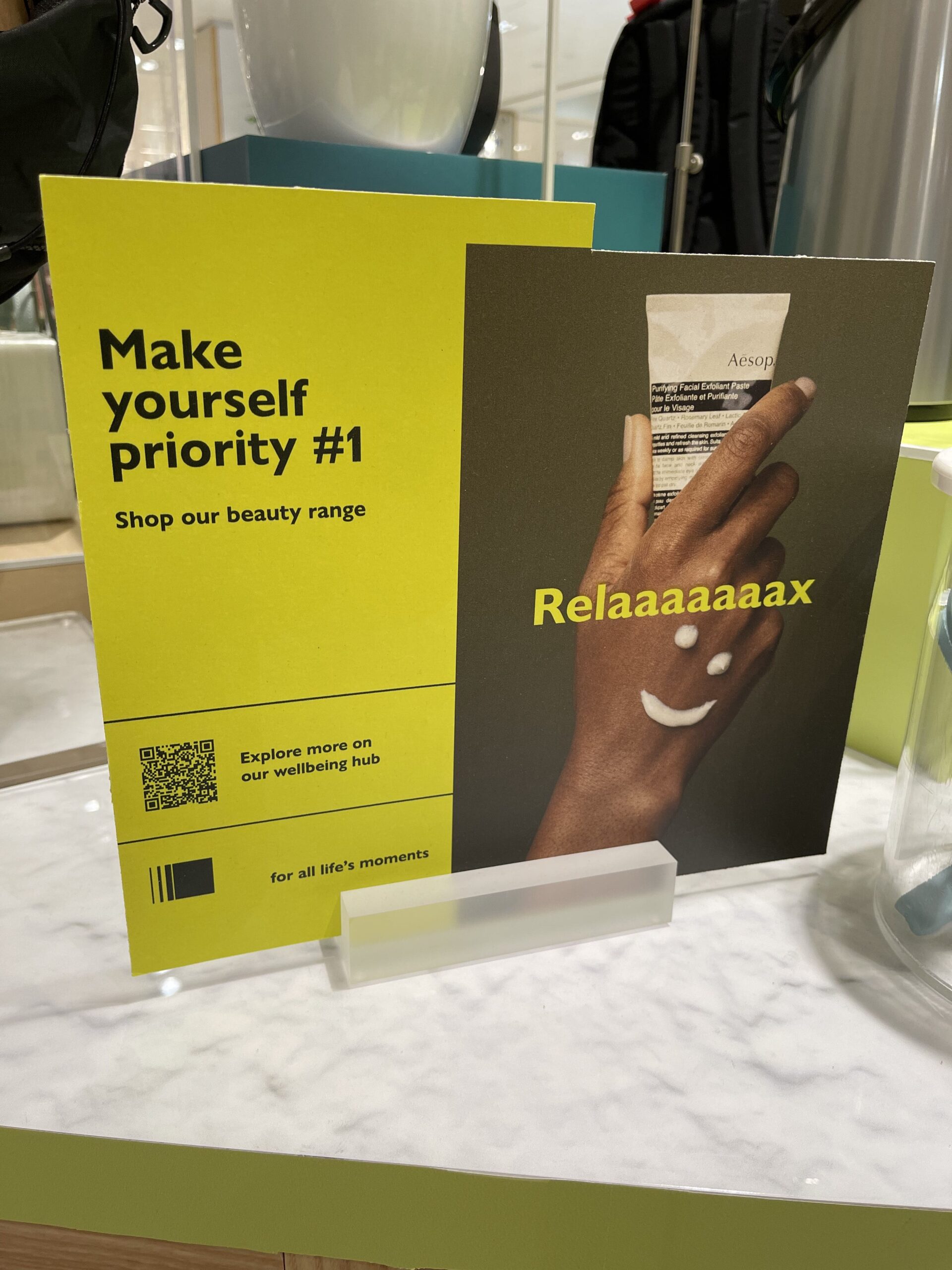
While TV can be a great persona-building platform and a fantastic way of beginning the customer’s journey at the top of your sales funnel (the ‘Awareness’ stage), the drawback here is that you’re under-utilising the effectiveness of emotional marketing. Why? There’s no instant interaction for the consumer. There’s no better time to present a consumer with a CTA than immediately after creating an emotional connection. They’re far, far more likely to engage and continue their journey and even complete the buying process. For that reason, emotional marketing is incredibly efficient via digital platforms like blogs and social media posts or in shops where the consumer is already at the ‘Engaged’ stage and your checkout presents an easy purchasing opportunity.
Ultimately, your choice of platform for the content depends on what you’re aiming to achieve with your emotional marketing: building brand awareness or converting a sale.
Emotional marketing FAQs
What is emotional marketing?
Emotional marketing is marketing that connects a product, service or brand with a feeling that matters to its audience.
Instead of focusing entirely on features, it helps people understand what those features could mean for them.
The emotion might be confidence, relief, excitement, reassurance, belonging, pride or something else entirely. What matters is that it fits the audience and the genuine benefit being offered.
What’s the difference between a feature and a benefit?
A feature describes something a product or service has or does.
A benefit explains why that feature matters to the customer.
For example, waterproof material is a feature of a pair of football boots. Staying comfortable and keeping your feet dry while playing is the benefit.
Emotional marketing can take that one step further by connecting the benefit to the experience somebody wants.
Is emotional marketing the same as storytelling?
Not exactly.
Emotional marketing is the broader use of feelings and emotional benefits to influence how an audience responds to marketing.
Storytelling is one way of creating that emotional connection by using a narrative, people, problems and experiences.
If you want to explore that side in more depth, read our guide to storytelling and the selling power of emotion.
Does emotional marketing work for B2B?
Yes.
B2B decisions often involve practical considerations such as budgets, features and return on investment, but the people making those decisions still have concerns, ambitions and pressures.
B2B emotional marketing might therefore focus on confidence, reassurance, relief, achievement or reducing frustration rather than the types of emotions more commonly used in consumer advertising.
Which emotions work best in marketing?
There isn’t one emotion that works best.
The right choice depends on your audience, what you’re offering and the situation they’re in.
Confidence might work well when somebody is worried about making the wrong decision. Relief could work when a product removes a frustrating problem. Excitement might make more sense when you’re marketing an experience.
Start with what the audience genuinely wants rather than choosing an emotion first and trying to force the product into it.
Can emotional marketing be manipulative?
It can be if the emotion is manufactured purely to pressure somebody into making a decision.
Good emotional marketing should still be grounded in a genuine customer need and a benefit the product or service can realistically deliver.
The aim is to help somebody understand why the offer matters to them, not to exploit fear, insecurity or another emotion with a promise you can’t substantiate.
What’s the best channel for emotional marketing?
The best channel depends on the audience and objective.
Video might help you communicate an emotional idea visually. Social media can create an opportunity for immediate engagement. A website or landing page can connect the emotional benefit with more detailed information and a clear next step.
Choose the channel because it makes sense for the audience and campaign, not because emotional marketing automatically works better in one particular format.
Ready to turn the feeling into a story?
Selling the benefit rather than simply listing the features is a strong starting point.
Once you understand what matters to your audience and why, you can go further and build content around those motivations.
That’s where storyselling comes in.
KAYBE’s Storyselling: Combining the power of words with digital forensics ebook explores how audience insight and storytelling can work together to help you find the right words for the right people at the right time.
Read the Storyselling ebook and start building marketing around what your audience actually cares about.
