

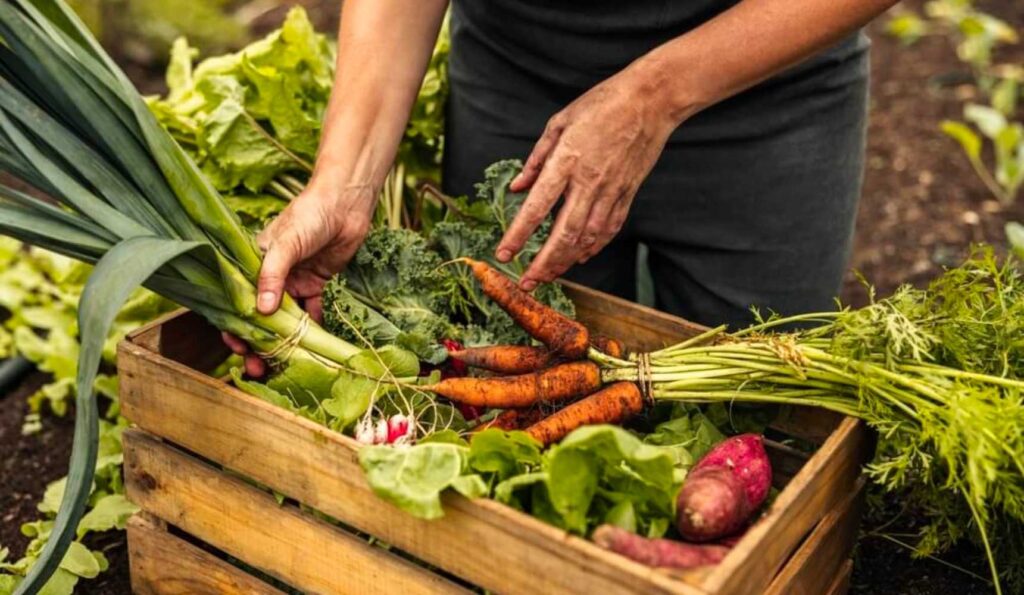
Did you know that this month is organic September? Me neither. But, when I realised, I saw an opportunity to talk about organic marketing. What is it? How does it benefit you? How can you execute it? We’ll be answering all your organic marketing questions and more in this article, because I’m a nerd who loves talking about marketing…
What is organic marketing?
First things first, what are we talking about? Organic marketing is essentially a strategy of growing your brand and expanding your audience without paid advertising. Organic foods are food that haven’t been tampered with using synthetic chemicals, and organic marketing is the equivalent: natural marketing.
This is not to say that there’s anything wrong with paid advertising, but businesses may opt for solely organic marketing for a variety of reasons, such as a smaller budget or preferring a slower, longer-term solution. In fact, organic marketing and paid advertising can be used in tandem to enhance each other. Paid advertising will be even more effective if you execute that strategy after successfully executing organic marketing strategies.
How does organic marketing work?
As mentioned above, organic marketing is a long-term strategy that builds awareness and engagement over time. This is done through a wide array of marketing strategies, such a SEO, blogs, video content, social media marketing, email marketing and so on. You’ll even find sub-strategies (I don’t know if that’s a real phrase, but I’m rolling with it!) like guest posts on blogs, or bringing in your famous friends for a high-profile episode of the KAYBE Talks podcast (I’m looking at you, Kris Britton, Toni Kent and Rachel Riley).
The purpose is to increase your reach while adding value to the consumers you’re reaching. That way, when you reach them, they’re more likely to pay attention and, most importantly, remember your brand in a positive light. They might even buy something from you further down the line!
How does organic marketing benefit you?
The objective is, ultimately, to raise your brand awareness, which stands you in better stead for future marketing campaigns. When consumers have interacted with your brand and gained content of value to them, they’re more likely to revisit your brand for the future or recognise your brand in future marketing campaigns, meaning they engage more with your future content. Essentially, you’re laying the foundations for future success in terms of converting sales and retaining loyal customers by focusing on bolstering the awareness stage – and, to some degree, the engagement stage – of your marketing funnel.
For that reason, it’s important to remember that you likely won’t see immediate results. Sure, you will see some improvements in sales and marketing KPIs as you begin reaching a wider audience and engaging them with valuable content. But the real results will come in long-term success, which can be enhanced sign by investing in paid advertising campaigns that will be more successful thanks to the groundwork of building awareness & engagement through previous organic marketing efforts.
How can you execute effective organic marketing?
I mentioned an array of different strategies when explaining how organic marketing works, but now it’s time to take a deeper dive into how to be effective. Social media marketing is a fantastic method for increasing awareness of your brand, as is organic SEO. These both help get your brand in front of the right consumers with the message that you want to send them.
Blog posts (particularly guest blog posts) and email marketing can be really impactful in generating engagement with your brand: offering consumers content of value without asking for anything in return. Likewise, if you’re operating in a B2B market or a more technical sector, whitepapers, playbooks (AKA e-books) and infographics can be excellent value-offering strategies that build credibility & trust while painting your business as a source of expertise and allowing you to educate consumers in a manner that benefits your business.
For example, a B2C beauty blog post might explain to middle-aged people the benefits of a skincare treatment and, when that consumer then searches for the treatment in Google, they’ll find the company that wrote the blog high in the rankings selling that exact skincare treatment. Likewise, a B2B whitepaper might educate a logistics & operations manager on the latest innovation in operational efficiency within their industry before concluding by explaining that the company writing the whitepaper offers a product/service with that latest innovation.
The big twist…
Are you ready for a major shock that you never saw coming? This is a piece of organic marketing!
That’s right, I’m sneakily educating you on how useful organic marketing can be and how you can execute it effectively, all while knowing that most businesses don’t have the capacity to execute effective organic marketing. That’s why reaching out to a marketing agency (specifically KAYBE, of course) is the best route to successful organic marketing and even building on the foundations you lay with more successful future marketing campaigns.
We have a team of expert content writers, expert graphic designers, expert marketing technicians and even customer success experts, meaning their entire job is to make sure that the project we work on together is successful. So, get in touch, and we’ll be happy to have a chat with you about how KAYBE can help your business, from organic marketing and beyond.
